

Where Game Ideas Find Their Framework
Shop allGiving Every Game Idea a Place to Begin
The Minds Behind the Learning Maps
-

Orson Bever
Gameplay Systems Designer
Orson designs gameplay rules that connect player actions with clear in-game responses. He maps shared interaction sequences and reviews how separate mechanics behave together. His work focuses on consistent logic and thoughtful play scenarios.
-

Maren Olbren
Environment Artist
Maren develops visual concepts for spaces where gameplay and exploration take place. She studies shape, lighting, and the placement of interactive environmental details. Her work focuses on atmosphere and visual cues that support navigation.
-

Callan Standly
Level Designer
Callan plans playable spaces around movement, exploration, and environmental challenges. He sketches routes, identifies landmarks, and studies how players move through each area. His work focuses on spatial clarity and clear level layouts.


A Small Idea That Grew Into Steriotriqs
Different Paths Through the Same Digital Universe
-
-
Drift Node
Regular price 797,00 NOKRegular price -
-
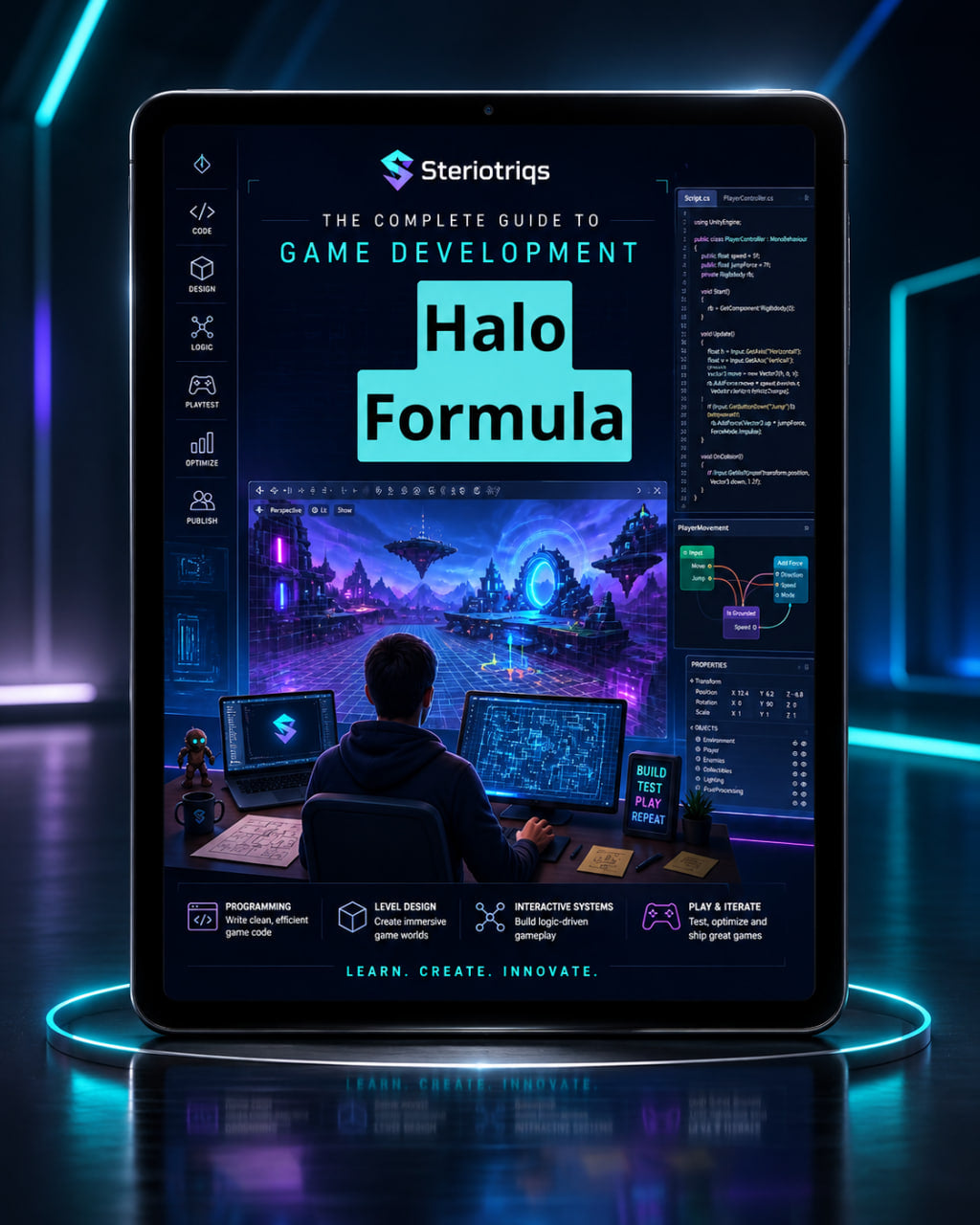
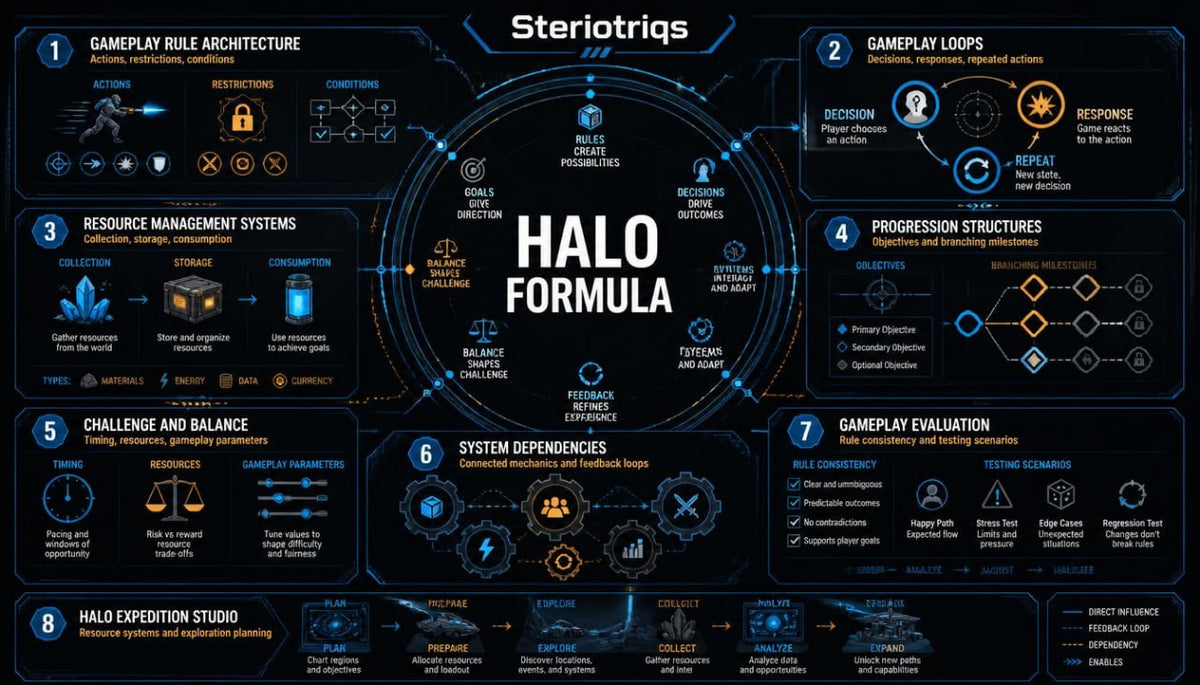
Halo Formula
Regular price 1.864,00 NOKRegular price

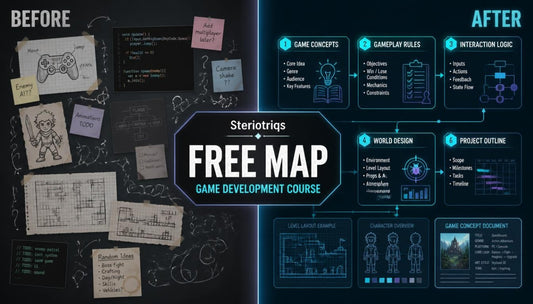

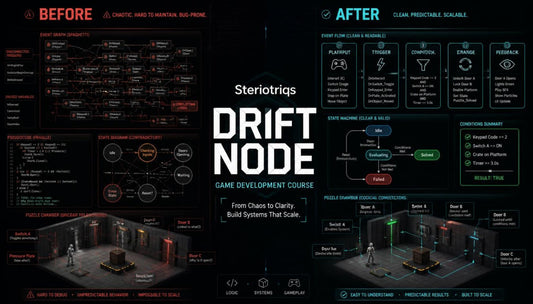

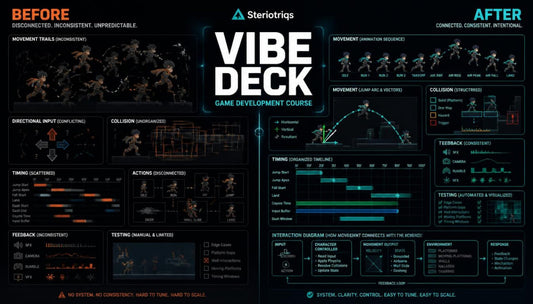

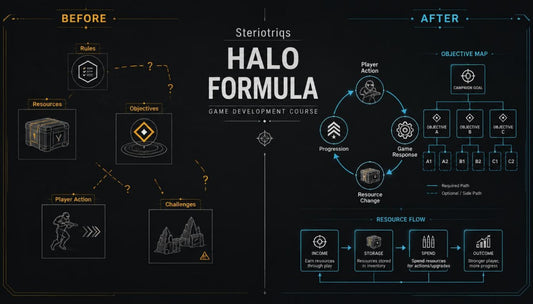

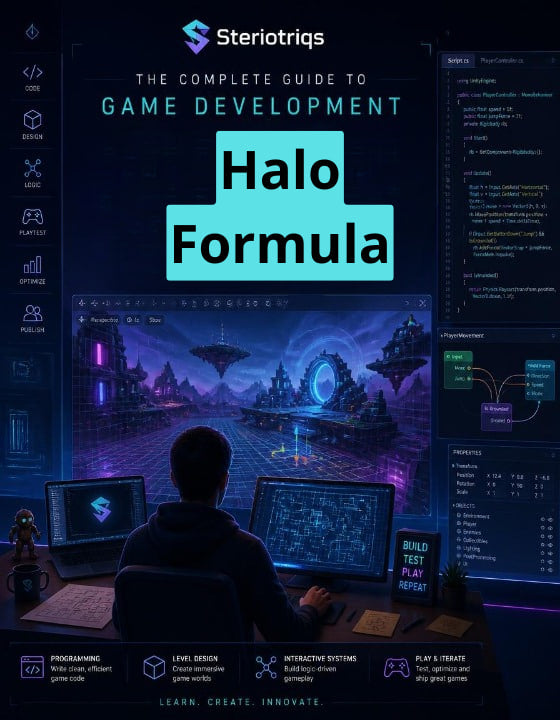
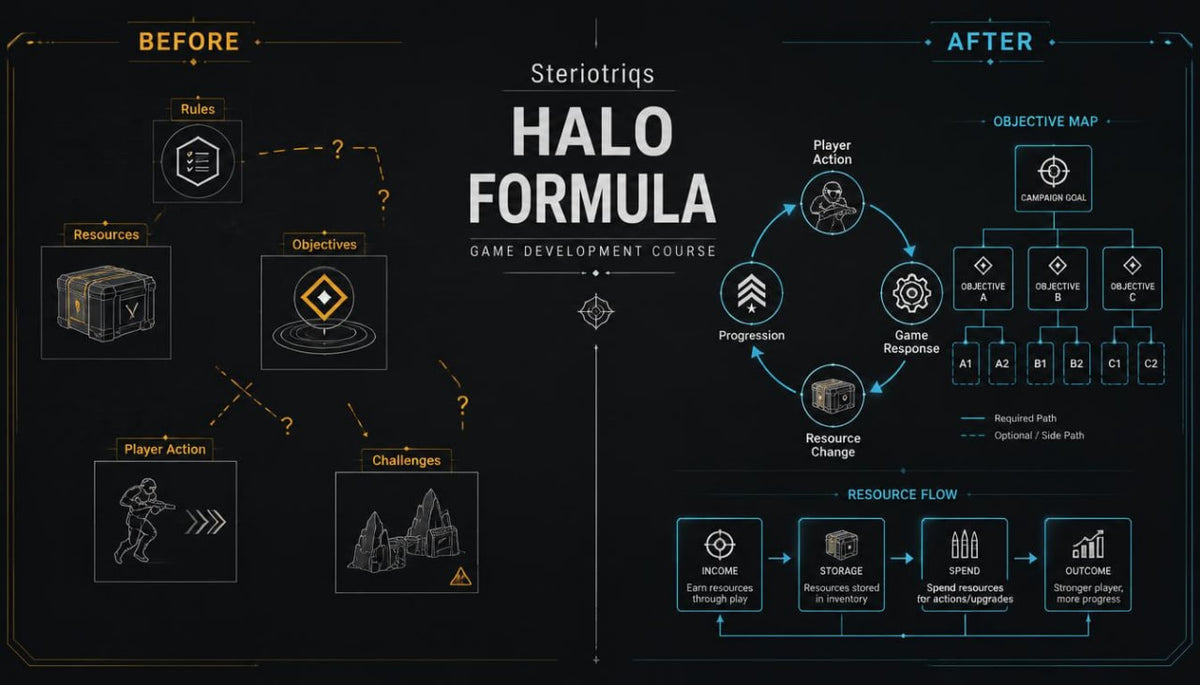
14-days refund guarantee
More Than Pages, A Thoughtful Learning Structure
-

Structured Lessons
Each course combines organized explanations, practical examples, and guided activities for thoughtful independent study.
-

Practical Exercises
Each module introduces focused exercises that help learners examine game mechanics and document their design decisions.
-

Connected Concepts
Each guide connects creative ideas, technical rules, and interactive systems through clearly arranged learning topics.
-

Flexible Learning
Each PDF supports offline reading, allowing learners to revisit explanations and complete activities at their own pace.


As Seen On


Your First Chapter Starts Here
Discover on all Devices


A Glimpse Inside the Learning Workshop
Different Learners, Different Creative Journeys
-

Everett Norbert
Everett approached Game Development with an interest in programming logic but wanted to examine how technical decisions influence player interactions, environmental mechanics, and movement systems.
He appreciated the detailed explanations, fictional game scenarios, and structured activities that encouraged him to document ideas and compare different approaches to gameplay design.
"I enjoyed exploring the technical side of game creation through written examples, especially the sections that explained how events, conditions, and player actions relate to one another."
-

Delaney Whitker
Delaney enjoyed developing character concepts and interactive story ideas but had little familiarity with the systems that coordinate player choices, character responses, and changing game conditions.
She appreciated the step-by-step explanations, behavior diagrams, and practical scenarios that introduced technical subjects through organized reading activities and clearly described examples.
"What interested me was the connection between character decisions and gameplay events, because the materials helped me examine how an interactive story can be described through structured rules."


